
How to Verify Chinese Suppliers: The Definitive Due Diligence Guide
In the “Gold Rush” of global e-commerce, China is the undisputed land of opportunity. But beneath the polished Alibaba profiles and professional-looking websites lies a complex landscape of middlemen, trading companies, and occasional “ghost factories.” One wrong wire transfer to an unverified supplier can cost you your entire startup capital—or worse, your brand’s reputation.
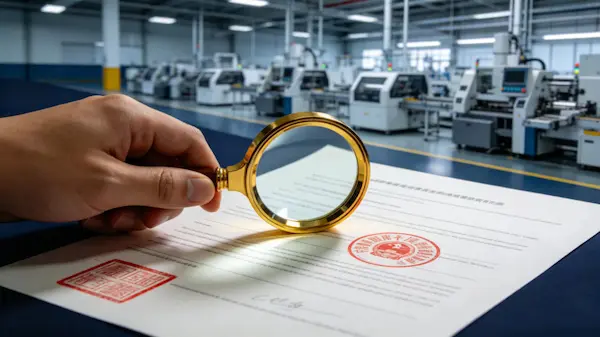
At StyleSavvySourcing, we’ve seen it all. We know that “Verify First, Wire Later” is the only rule that matters. This guide provides a professional framework for how to verify Chinese suppliers, moving beyond surface-level checks to ensure your supply chain is built on a foundation of granite, not sand.
The “Gold Supplier” Myth
A “Gold Supplier” badge on B2B platforms simply means the company paid a membership fee and passed a basic third-party check. It does not guarantee they are a real factory, nor does it guarantee the quality of your goods. Real due diligence requires a deeper dive.
The 5 Pillars of Professional Supplier Verification
Effective supplier due diligence in China isn’t a single action; it’s a multi-layered process. If a supplier fails even one of these pillars, it’s a major red flag.
Chinese Business License Verification
Every legitimate company in Mainland China must have a business license with a 18-digit Unified Social Credit Code. Don’t just ask for a PDF (which can be Photoshopped); you must verify the code on the official National Enterprise Credit Information Publicity System.
What to look for: Ensure the “Business Scope” (经营范围) actually includes manufacturing or processing. If the scope only mentions “Sales” or “Consulting,” you are dealing with a trading company, not a factory.
Identify Factory vs. Trading Company
There is nothing inherently wrong with trading companies, but they often add a 10-30% markup and have less control over quality. To scale your private label brand effectively, you usually want to go direct to the source.
Pro Tip: Check the company name. In China, factory names often include the city and the specific industry (e.g., “Guangzhou [Brand Name] Garment Co., Ltd”), whereas trading companies often have more generic names.
Don’t Gamble with Your Capital
Our team performs on-the-ground audits so you don’t have to guess.
Book a Professional Factory AuditFinancial Due Diligence & Payment Safety
Before sending a deposit, verify the bank account details. A professional private label manufacturer in China will always use a corporate bank account that matches their registered business name exactly. Never wire money to a personal account (e.g., “Mr. Wang’s account”) or a company name that is significantly different from the one on the license.
This is a core part of avoiding sourcing agent scams and payment frauds.
The On-Site Factory Audit
Digital verification only takes you so far. A China factory audit is the ultimate truth-teller. A professional auditor will visit the facility to check:
- Production Capacity: Do they actually own the machines they claim to?
- Quality Control Systems: Do they have a dedicated QC area with documented testing procedures?
- Social Compliance: Are the working conditions ethical? (Crucial for modern brand reputation).
- Warehouse Conditions: Is raw material stored properly to prevent contamination?
Reputation & Reference Checks
Ask for references from existing clients in your country. A confident supplier will be happy to show their track record. Furthermore, search for the company name on “Blacklist” forums or check their history on platforms like Global Sources to see how many years they have been in operation.
Your Supplier Verification Checklist
Unified Social Credit Code verified? ISO 9001 or relevant certifications (CE/FDA) active?
Do they use corporate emails? Are they evasive about factory visits? (Legitimate ones love visits).
Does the mass production capability match the high-quality “golden sample” they sent you?
Is the factory located in a known industrial cluster for that product (e.g., Electronics in Shenzhen)?
The Role of a Sourcing Partner
The china sourcing process is complex, and for many brands, the cost of a mistake is far higher than the cost of professional help. Learning how to work with a sourcing agent allows you to outsource this due diligence to experts who live and breathe Chinese manufacturing.
StyleSavvySourcing doesn’t just “find” suppliers; we vet them with an investigative mindset. We provide you with detailed audit reports, video walkthroughs, and verified documentation so you can sleep soundly knowing your production is in safe hands.
Eliminate the Risk. Secure Your Supply Chain.
Stop worrying about “what if.” Get a professional verification report on your potential Chinese partners today.
Get Started with StyleSavvySourcingConclusion: Trust, But Verify
Building a successful brand through China private label manufacturing requires a leap of faith, but that leap should be calculated. By following this how to verify Chinese suppliers guide, you move from being a target for scammers to being a sophisticated importer.
Remember: In the world of sourcing, if you don’t do your homework, you pay for the lesson with your own money.
Need more help? Check out our Step-by-Step China Sourcing Process for a bird’s eye view of the entire journey.