
The Complete China Sourcing Process: A Step-by-Step Guide for Brands
What Is the China Sourcing Process? (Quick Answer)
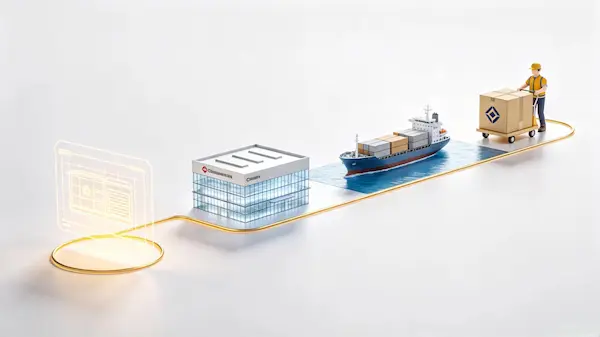
The China sourcing process is a structured workflow used by businesses to identify, verify, and purchase goods from Chinese manufacturers. It typically involves nine core stages: product definition, supplier discovery, quoting, sampling, negotiation, order placement, production monitoring, quality inspection, and international logistics. Mastering this cycle is essential to reducing costs and ensuring product quality.
Navigating the manufacturing landscape in China can feel overwhelming for both startups and established brands. With millions of factories and vast cultural differences, knowing how to source products from China efficiently is the key to maintaining a competitive edge. This guide breaks down the professional china import process into manageable steps.
Define Your Product Requirements
Before contacting a private label manufacturer in China, you must have a “Product Specification Sheet.” This includes materials, dimensions, weight, packaging requirements, and certifications (like CE, FDA, or RoHS). The clearer your specs, the more accurate your initial quotes will be.
Find and Verify Suppliers
You can find suppliers via platforms like Alibaba, Global Sources, or 1688.com. However, finding them is the easy part—verification is where the real work begins. To avoid sourcing agent scams and factory frauds, always verify business licenses and audit their production capabilities.
Request Quotes (RFQ) & Compare
Send your spec sheet to at least 5-10 suppliers. When comparing quotes, don’t just look at the “Unit Price.” Consider the Incoterms (EXW vs. FOB), lead times, and the supplier’s responsiveness. A cheap price often masks poor quality or hidden fees.
Order and Evaluate Samples
Never skip the sampling stage. This is the only way to verify that the private label production in China matches your quality standards. Expect to pay for samples and international air express shipping. Use this stage to test the factory’s attention to detail.
Negotiate Price and MOQ
In China, everything is negotiable, but within reason. Negotiate the Minimum Order Quantity (MOQ) if you are a startup. Focus on building a “win-win” relationship; pushing a factory’s price too low will inevitably lead to quality corner-cutting.
Overwhelmed by the Process?
Our expert team handles every step from discovery to delivery, so you can focus on marketing.
Hire a Sourcing ProfessionalPlace Order & Secure Payment
Standard payment terms are 30% deposit and 70% balance. Use secure methods like Telegraphic Transfer (T/T) to corporate accounts or Alibaba Trade Assurance. For complex projects, learning how to work with a sourcing agent can provide an extra layer of payment security.
Production & Follow-up
Once production starts, stay in constant contact. “Quality drift” is a common issue where the first 100 units look great, but the last 1,000 are rushed. Regular updates ensure the china sourcing process stays on schedule.
Quality Inspection
Do not wire the final 70% balance until a Pre-Shipment Inspection (PSI) is completed. Whether you use your own team or a third-party service, inspecting the goods at the factory is the only way to ensure they meet your specs before they leave China.
Shipping & Delivery
The final stage of how to source products from China is logistics. You’ll need to choose between Sea Freight (LCL/FCL), Air Freight, or Courier. Ensure all customs documentation (Commercial Invoice, Packing List, Bill of Lading) is perfectly prepared to avoid port delays.
Common Mistakes to Avoid in China Sourcing
- Choosing the Lowest Price: Quality always has a cost. The lowest bidder usually uses inferior materials.
- Vague Contracts: If it’s not in writing, it doesn’t exist. Detail every aspect of the product and packaging.
- Skipping Inspections: Shipping defective goods back to China is nearly impossible. Catch errors before they ship.
- Cultural Misunderstanding: Understand “Guanxi” (relationships) and the importance of Chinese holidays (like Chinese New Year) which can halt production for weeks.
Final Checklist Before You Start
- Detailed Product Spec Sheet completed.
- Verified at least 3 potential factories.
- Samples approved and signed off.
- NNN Agreement signed by the manufacturer.
- Inspection plan scheduled with a third-party.
- Logistics provider (Freight Forwarder) confirmed.
Why Use a Partner for the China Sourcing Process?
While you can navigate these steps alone, the risks of china sourcing agent scams and production delays are high. StyleSavvySourcing acts as your local office in China. We understand the private label manufacturing landscape and have the boots-on-the-ground presence to manage your inspections and factory relationships personally.
Ready to Source Like a Pro?
Let StyleSavvySourcing simplify your supply chain today.
Start Your Project Now